
Post
Choosing the Right Kids & Specialty Pillows for Growing Toddlers
Jun
Choosing the Right Kids & Specialty Pillows for Growing Toddlers
Introduction Choosing the Right Kids & Specialty Pillows
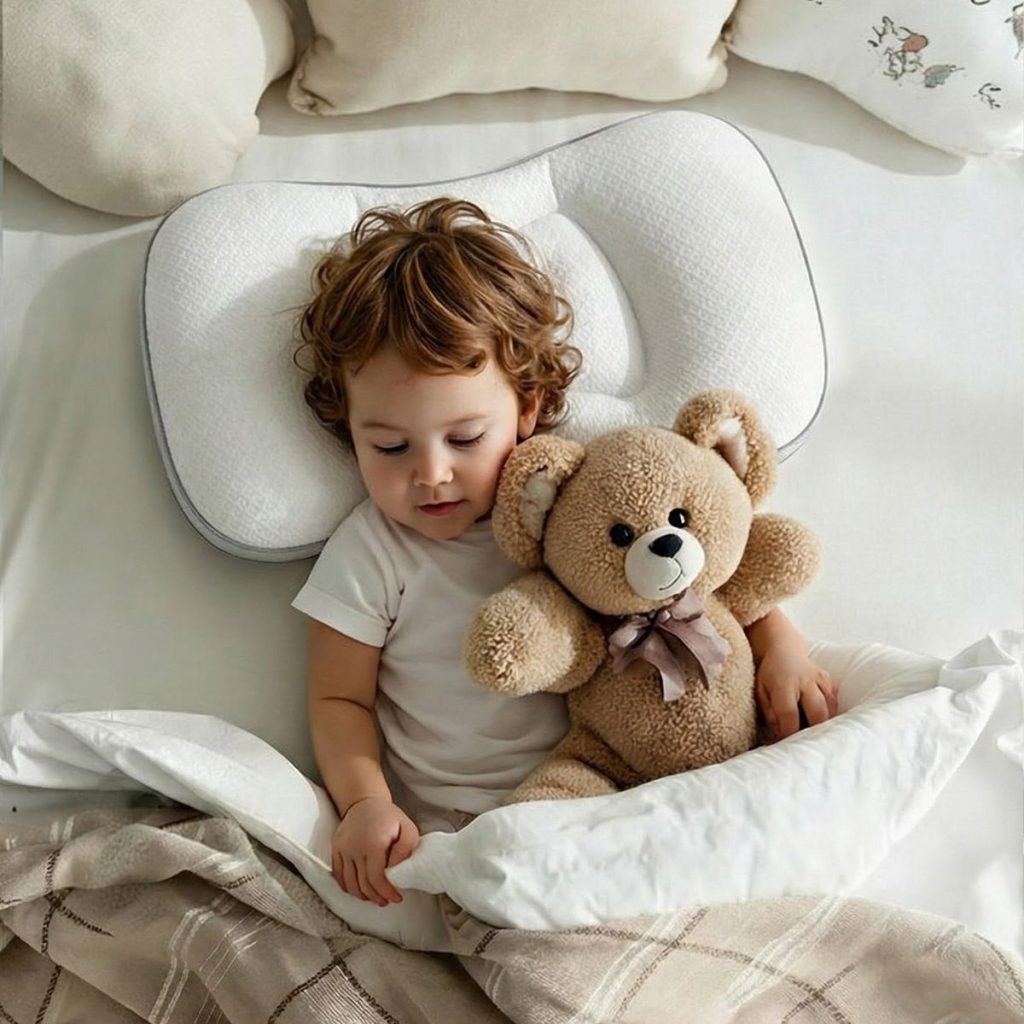
As toddlers transition from a crib to a toddler or twin bed, parents often wonder when it’s appropriate to introduce a pillow—and more importantly, which type is safest. Unlike adult pillows, children’s pillows are specifically designed to support a developing head, neck, and spine while reducing the risk of overheating and improper sleep posture.
Choosing the right kids’ or specialty pillow involves more than selecting a cute design. Factors such as age, loft, firmness, materials, breathability, and certifications all play a role in creating a safe and comfortable sleep environment.
In this comprehensive guide, we’ll explain when toddlers are ready for a pillow, what features to prioritize, and how to choose the best specialty pillow for growing children.
Learn more about safe sleep recommendations from pediatric experts:
American Academy of Pediatrics – Safe Sleep Recommendations
When Should a Toddler Start Using a Pillow?


Most pediatric experts recommend waiting until at least 18–24 months of age before introducing a pillow. Pillows should never be placed in an infant’s crib due to the increased risk of suffocation and sleep-related accidents.
Signs your toddler may be ready include:
- Sleeping in a toddler or standard bed
- Comfortably using a blanket
- Showing interest in using a pillow like older family members
- Maintaining stable sleeping positions throughout the night
If you’re unsure, consult your child’s pediatrician for personalized guidance.
Why Toddlers Need Specialized Pillows
Children are not simply smaller adults. Their:
- Neck muscles
- Shoulder width
- Spine alignment
- Head-to-body proportions
continue developing throughout early childhood.
A pillow that’s too thick or too soft may place the neck in an unnatural position, while one that’s too firm may reduce comfort.
Toddler pillows are designed with:
- Lower loft
- Moderate firmness
- Smaller dimensions
- Lightweight construction
These features help support healthy sleep posture.
Key Features to Look For


Low Loft
A toddler pillow should generally be much thinner than an adult pillow.
Benefits include:
- Better spinal alignment
- Reduced neck strain
- Improved comfort
Moderate Firmness
The pillow should provide support without allowing the child’s head to sink excessively.
Look for pillows that quickly return to their original shape after being compressed.
Hypoallergenic Materials
Children can be more sensitive to allergens.
Popular hypoallergenic options include:
- Polyester fiberfill
- Natural latex (if no latex allergy exists)
- CertiPUR-US® certified memory foam
- Down alternative fills
Breathable Fabric
Choose covers made from:
- Cotton
- Organic cotton
- Bamboo-derived rayon blends
These fabrics promote airflow and help reduce heat buildup during sleep.
Washable Cover
Toddlers are prone to spills and accidents.
A removable, machine-washable cover makes routine cleaning much easier and helps maintain good hygiene.
Types of Kids & Specialty Pillows
Toddler Pillows
Designed specifically for children aged approximately 2–5 years.
Typical characteristics:
- Compact size
- Thin profile
- Soft yet supportive filling
Memory Foam Kids Pillows


Memory foam models provide:
- Consistent neck support
- Pressure relief
- Good shape retention
Choose versions made with breathable foam and reputable safety certifications.
Organic Pillows
Parents seeking natural materials may prefer pillows made from:
- Organic cotton
- Natural latex
- Wool
- Plant-based fibers
These options often avoid certain synthetic chemicals and may appeal to families focused on eco-friendly products.
Orthopedic Children’s Pillows
Some specialty pillows feature ergonomic contours designed to support head and neck alignment.
These are generally intended for children with specific comfort needs and should be selected with guidance from a healthcare professional if recommended for a medical condition.
Choosing by Sleeping Position
Side Sleepers
Look for:
- Slightly higher loft
- Good neck support
- Medium firmness
Back Sleepers
A medium-low pillow helps maintain a neutral spine.
Stomach Sleepers
If a child naturally sleeps on their stomach, a very thin pillow—or none at all, depending on age and pediatric guidance—may reduce excessive neck extension.
Materials Comparison
| Material | Comfort | Breathability | Support | Best For |
|---|---|---|---|---|
| Memory Foam | Excellent | Good | Excellent | Neck support |
| Polyester Fiber | Very Good | Good | Moderate | Everyday use |
| Organic Cotton Fill | Good | Excellent | Moderate | Natural materials |
| Natural Latex | Excellent | Excellent | Excellent | Long-term durability |
| Down Alternative | Very Good | Good | Soft | Allergy-friendly households |
Safety Tips
To create a safer sleep environment:
- Choose a pillow designed for toddlers or young children.
- Avoid oversized adult pillows.
- Inspect pillows regularly for damage or flattened fill.
- Keep the sleeping area free from unnecessary loose bedding for younger toddlers.
- Follow your pediatrician’s advice if your child has any medical or developmental conditions affecting sleep.
Signs It’s Time to Replace a Pillow
Replace your child’s pillow if you notice:
- Flattened filling
- Loss of support
- Persistent odors after washing
- Torn seams
- Lumps that cannot be redistributed
Most children’s pillows last 2–3 years, depending on material quality, frequency of use, and care.
Maintenance Tips
To extend the pillow’s lifespan:
- Wash the cover regularly.
- Follow the manufacturer’s cleaning instructions.
- Use a waterproof pillow protector if needed.
- Air out the pillow periodically.
- Replace it if it no longer provides proper support.
Buying Checklist
Before purchasing a toddler pillow, make sure it:
✔ Is appropriate for your child’s age
✔ Has a low loft and moderate firmness
✔ Uses breathable, hypoallergenic materials
✔ Includes a removable, washable cover
✔ Meets recognized product safety standards
✔ Fits your child’s preferred sleeping position
Conclusion
Choosing the right kids’ or specialty pillow is an important step in supporting healthy sleep as your toddler grows. A well-designed pillow with a low profile, moderate firmness, breathable materials, and age-appropriate sizing can help promote proper head and neck alignment while improving overall comfort. Features such as hypoallergenic fillings, washable covers, and quality safety certifications provide additional peace of mind for parents.
Rather than selecting a pillow based solely on appearance or softness, focus on your child’s age, sleeping position, and individual comfort needs. Combined with a safe sleep environment and regular pillow maintenance, the right toddler pillow can contribute to restful nights and support your child’s healthy development for years to come.
