
Post
How to Clean and Maintain Your Memory Foam Pillows for Longevity
Jun
How to Clean and Maintain Your Memory Foam Pillows for Longevity
A quality memory foam pillow is one of the best investments you can make for better sleep, improved spinal alignment, and lasting comfort. Unlike traditional pillows filled with feathers or polyester fiber, memory foam pillows are designed to conform to the unique shape of your head and neck, helping reduce pressure points and improve sleep quality. However, to enjoy these benefits for years, proper cleaning and maintenance are essential.
Many people mistakenly wash memory foam pillows the same way they clean regular pillows, which can damage the foam, shorten its lifespan, and reduce its supportive properties. Fortunately, maintaining a memory foam pillow is simple when you understand the proper techniques.
In this guide, you’ll learn how to clean memory foam pillows safely, remove stains and odors, protect them from everyday wear, and maximize their lifespan with easy maintenance habits.
Why Proper Memory Foam Pillow Care Matters How to Clean and Maintain Your Memory Foam
Memory foam is made from viscoelastic polyurethane, a material that reacts to heat and pressure while slowly returning to its original shape. Although highly durable, it is also sensitive to excessive moisture, harsh chemicals, and high temperatures.
Proper maintenance offers several important benefits:
- Extends the pillow’s lifespan
- Maintains optimal neck and head support
- Prevents dust mites and allergens
- Eliminates unpleasant odors
- Keeps the pillow hygienic
- Preserves the foam’s original shape
- Improves overall sleep quality
A well-maintained memory foam pillow can easily last between three and five years, depending on its quality and frequency of use.


Read the Care Label First
Before cleaning any memory foam pillow, always check the manufacturer’s care instructions. Different brands may use varying foam densities, cooling gels, bamboo charcoal infusions, or shredded memory foam fillings, each requiring slightly different care methods.
Some pillow covers are machine washable, while the foam core should almost never be submerged in water.
Ignoring the care label can permanently damage the foam structure.
Remove and Wash the Pillow Cover
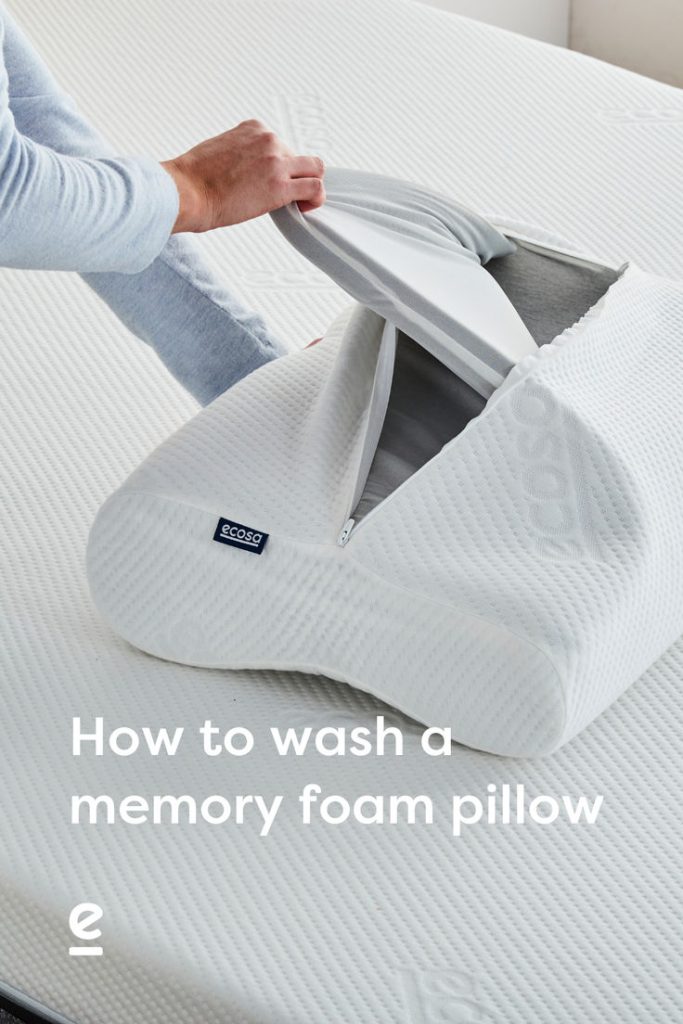
Most memory foam pillows include a removable cover that protects the foam from sweat, skin oils, and dust.
To clean the cover:
- Remove the zipper cover carefully.
- Wash it according to the care instructions.
- Use a mild detergent.
- Wash in cold or warm water.
- Avoid bleach.
- Air dry whenever possible.
Cleaning the pillow cover every two to four weeks helps maintain a fresh sleeping environment.
Never Put Memory Foam in a Washing Machine
One of the biggest mistakes people make is placing memory foam directly into a washing machine.
Machine agitation can:
- Tear the foam
- Break its internal structure
- Reduce support
- Cause permanent deformation
Similarly, avoid putting memory foam pillows into a dryer, as excessive heat can permanently damage the material.
Spot Clean Stains Immediately
Accidents happen, whether from spilled coffee, makeup, sweat, or pet stains.
To remove stains:
- Mix a small amount of mild detergent with lukewarm water.
- Dip a clean microfiber cloth into the solution.
- Gently blot the stain.
- Avoid rubbing aggressively.
- Wipe with a clean damp cloth.
- Allow the pillow to air dry completely.
Never soak the foam.
Excess moisture becomes trapped inside the pillow and may lead to mold growth.
Remove Odors Naturally
Memory foam sometimes develops odors due to sweat, humidity, or prolonged storage.
Simple odor removal methods include:
Baking Soda
Sprinkle baking soda across the pillow surface.
Leave it for four to eight hours before vacuuming thoroughly.
This naturally absorbs moisture and odors.
Fresh Air
Place the pillow in a shaded outdoor area with good airflow.
Avoid prolonged direct sunlight, which may weaken the foam over time.
Vacuum Cleaning
Use a handheld vacuum with a brush attachment every few weeks to remove:
- Dust
- Hair
- Dead skin cells
- Allergens


Protect Your Pillow with Pillow Protectors
A waterproof or breathable pillow protector creates an additional barrier against:
- Sweat
- Skin oils
- Dust mites
- Allergens
- Moisture
Because protectors are washable, they reduce how often the actual pillow requires cleaning.
This simple accessory can significantly extend the pillow’s useful life.
Air Out Your Pillow Regularly
Even if the pillow appears clean, moisture accumulates from nightly use.
Every month:
- Remove the pillowcase.
- Place the pillow in a well-ventilated room.
- Allow it to breathe for several hours.
Fresh airflow helps maintain the foam’s resilience while reducing moisture buildup.
Rotate the Pillow
If your pillow has symmetrical construction, rotating it every few weeks helps distribute wear more evenly.
This prevents:
- Uneven compression
- Permanent indentations
- Loss of support
Rotating the pillow extends its lifespan while maintaining consistent comfort.
Keep Pets Off Your Pillow
Although many pets enjoy sleeping on soft pillows, pet hair, oils, dirt, and claws may shorten the pillow’s lifespan.
Using dedicated pet bedding helps protect your sleep products from unnecessary wear and allergens.
Avoid Excessive Moisture
Memory foam behaves like a sponge.
Too much water can:
- Damage the foam cells
- Encourage mold growth
- Produce unpleasant odors
- Increase drying time
Always use only a lightly damp cloth when cleaning.


Common Cleaning Mistakes to Avoid
Avoid these common mistakes:
- Machine washing the foam
- Using bleach
- Using strong chemical cleaners
- Drying with high heat
- Soaking in water
- Twisting or wringing the foam
- Scrubbing aggressively
- Exposing to direct sunlight for extended periods
Following the correct cleaning techniques protects the pillow’s structure and comfort.
When Should You Replace Your Memory Foam Pillow?
Even with excellent care, every pillow eventually wears out.
Signs it’s time for replacement include:
- Permanent flattening
- Visible cracks
- Persistent odors
- Loss of support
- Neck pain upon waking
- Foam no longer rebounds properly
Most high-quality memory foam pillows last between three and five years.
Extra Tips for Long-Term Pillow Care
To maximize your pillow’s longevity:
- Wash pillowcases weekly.
- Wash pillow protectors monthly.
- Vacuum the pillow regularly.
- Air it out every month.
- Store in a cool, dry location.
- Keep away from excessive humidity.
- Use breathable bedding materials.
- Replace pillowcases when worn.
These simple habits keep your pillow cleaner, fresher, and more supportive throughout its lifespan.
Learn More
For additional expert advice on pillow care and sleep health, visit:
https://www.sleepfoundation.org/best-pillows/how-to-clean-pillows
Final Thoughts
Proper cleaning and maintenance are essential for preserving the comfort, hygiene, and performance of your memory foam pillow. By following the correct care routine—including spot cleaning, regular vacuuming, airing out the foam, and using protective covers—you can significantly extend its lifespan while maintaining the support your neck and spine need for restful sleep.
Rather than replacing your pillow frequently, investing a little time in regular maintenance ensures better value and healthier sleep. Whether you use a traditional memory foam pillow, a cooling gel model, or a shredded memory foam design, these care practices will help keep it fresh, comfortable, and supportive for years to come.
